If you’ve ever ordered something from a supplier and gotten a box of parts that got all banged up or started corroding before you even installed it, you know how frustrating that is. I’m the owner of a small, other supporting equipment supplier, and let me tell you—storage requirements for this stuff aren’t something you can just wing. Most folks come to me asking, “Can I just stack these pallets in my warehouse?” and I have to say, no. There’s way more to it than just keeping things dry, and skipping the small details is exactly what leads to wasted cash, missed deadlines, and annoyed clients. Other Supporting Equipment
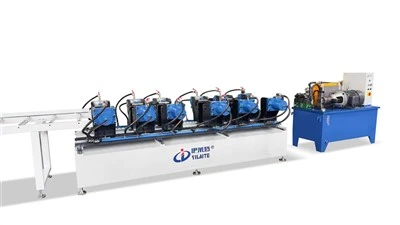
First off, let’s talk about what “other supporting equipment” even covers, because that’s a broad category most people don’t really think through. It’s not the big-ticket machinery everyone buys—like, say, a factory’s main assembly line robot. This is the stuff that keeps that robot running: the spare hydraulic hoses, the pressure gauges that don’t need to be calibrated every single hour, the mounting brackets that hold sensors in place, the cable ties and custom connectors that get swapped out during routine maintenance. For someone running a small manufacturing plant or even a construction site, this gear is the unsung hero. If one small mounting bracket rusts up before you install it, you might have to shut down a line while you wait for a replacement—and that costs way more than the bracket itself.
Let’s start with the biggest no-no I see clients make: general warehouse storage for equipment that’s sensitive to temperature and humidity. I had a client last year, a small metal fabrication shop, who stored a crate of stainless steel cable ties in a corner of their unheated warehouse. That warehouse got down to freezing in winter and up to 95 degrees Fahrenheit in summer. By the time they went to use the ties 6 months later, the zinc coating on them was pitted—they couldn’t hold the weight of the wiring harnesses they needed. They ended up paying rush shipping for a new order, which was twice the original cost. Most of my other supporting equipment has metal components, even the “plastic” parts are usually reinforced with metal, so temperature swings are a killer. The sweet spot for most of this stuff is between 50 and 77 degrees Fahrenheit, with relative humidity (RH) between 40% and 60%. Anything above 70% RH, and metal parts start rusting; below 30%, and plastic components get brittle, crack when you bend them, and some rubber seals dry out too. I always tell my clients: invest in a cheap dehumidifier for the storage area, even if it’s a small, dedicated room. It’s way cheaper than replacing a whole batch of parts that went bad because of humidity.
Next up, how you store the equipment physically—stacking, spacing, wrapping, that stuff. I see a lot of people just pile pallets of parts on top of each other like they’re storing firewood, but that’s a bad call. For one thing, some of this equipment is precise: tiny pressure gauges, for example, have delicate internal springs that can get damaged if you’re stacking heavy boxes on top of them. Last quarter, a construction company ordered 200 pressure gauges and stacked their pallet on top of a pallet of heavy metal clamps. The gauges at the bottom of the pallet were reading 10 PSI lower than they should when they tested them—turns out the weight crushed the internal springs, making them inaccurate. Now, we always include packing guidelines with every order that says: no stacking heavier than 2 pallets high, and for delicate items like gauges, sensors, and small valve components, they need to be stored in their original, closed boxes, not just loose in a bin. Also, leave space between pallets and walls. A lot of warehouses have leaky windows or pipes, and if your equipment is pressed right up against a wall, it’s way more likely to get damp if a pipe drips or there’s a condensation issue. I recommend at least 6 inches of space from walls and 12 inches between pallets, to let air circulate. No stagnant air = less mold, less rust, fewer problems.
Then there’s the stuff that gets overlooked because it seems trivial: packaging and labeling. Some of my clients think, “Oh, the parts came in a plastic bag, that’s enough,” but no—those thin plastic bags are meant for shipping, not long-term storage. If you’re keeping parts for more than 30 days, you need to either re-seal them in moisture barrier bags (the thick, aluminum-lined kind that block humidity) or wrap them in desiccant paper. Desiccants are those little silica gel packs everyone ignores in pill bottles, but they’re actually super useful for storage. I include a handful in every order, but I always remind clients to replace them every 3 months if parts are in storage long-term. Also, labeling might seem like a small thing, but I’ve had clients store a box of custom cable connectors next to a box of heat shrink tubing for 6 months, and when they went to look for the connectors, they couldn’t tell which box was which because the labels had faded from humidity. For equipment that’s supposed to have a shelf life (like some rubber seals that dry out after a year), label the date you received them and the expiration date. That way, you don’t accidentally use a seal that’s old and cracked, which can cause leaks that shut down a whole system.
Wait, also—what about specialized other supporting equipment? Not all of it is the same. I work with clients who do things like renewable energy projects, so they have things like small wind turbine brackets or solar panel mounting hardware. That stuff is usually made of galvanized steel, so it’s more rust-resistant, but it’s still vulnerable to salt air if it’s stored near a coastal site. I had a client in Florida once who stored their solar mounting hardware in an open shed near the ocean. After 4 months, the salt air had formed a thin layer of corrosion on the galvanized coating, and when they went to install the panels, the bolts wouldn’t thread into the brackets properly. They had to sand every single bracket, which took them 3 extra days on a project that was already running behind. For coastal clients, we suggest storing that kind of metal equipment in a covered, airtight area, or adding a light coat of corrosion inhibitor spray before long-term storage. On the flip side, I have clients in cold climates who work on snow removal equipment’s supporting parts—like the spreader controls and bracket mounts. Those parts have plastic components that can get brittle if stored in freezing temperatures for too long. So for those clients, I tell them to keep that storage area above 32 degrees, or if they have to store it outside temporarily, wrap it in a heavy tarp and check it regularly for ice buildup.
Oh, and one more thing I never get tired of telling people: don’t mix new and used parts in storage. A lot of companies will keep a few extra used parts on hand for emergencies, but if you store a used hydraulic hose next to a new one, the used hose can leach residual fluid that drips onto the new hose’s coating, causing it to degrade. I learned that the hard way a couple years ago—one of my clients stored a batch of new hydraulic hoses next to a pile of old ones they’d taken off a job. The old hoses leaked a little hydraulic fluid, and the new hoses’ rubber layers got soft and swelled up. They couldn’t use them, and had to re-order, which set their project back a week. Now I add a line in my storage notes that says: separate new, unused supporting equipment from any used, returned, or damaged parts, and keep used parts in a separate section.
I know, this all sounds like a lot of little rules, but when you’re running a business, wasting money on parts that go bad because of bad storage is just unnecessary. I don’t want my clients having to deal with that. That’s why, when someone orders other supporting equipment from me, I don’t just box it up and send it— I include a 1-page, simple storage guide, no jargon, just plain talk about what works and what doesn’t. And if they have a specific setup, like a coastal warehouse or a cold storage area, I’m happy to adjust the recommendations. I’ve been doing this for 8 years now, and the biggest thing I’ve learned is that good storage isn’t rocket science—it’s just paying attention to the small details that most people skip. If you’re struggling with keeping your other supporting equipment in good shape between orders or jobs, or you just need a reliable supplier that gets these storage needs right, feel free to reach out to talk through your requirements. We can work together to make sure your parts stay in shape until you need them.
Steel Formwork Machinery References
- Industrial Storage Association. (2022). Guidelines for Long-Term Storage of Mechanical Components and Supporting Equipment.
- National Institute of Standards and Technology. (2021). Effects of Temperature and Humidity on Metal Fasteners and Rubber Seals.
- Occupational Safety and Health Administration. (2020). Warehouse Storage Best Practices for Small Manufacturing Operations.
- Corrosion Prevention Association. (2023. Coastal Storage Solutions for Galvanized and Steel Components.
Foshan Yilaite Machinery Equipment Co., Ltd.
Foshan Yilaite Machinery Equipment Co., Ltd. is one of the most reliable supporting equipment manufacturers and suppliers in China, featured by quality products and good service. Please rest assured to buy CE approved supporting equipment from our factory. We also accept customized orders.
Address: No.28, Guangyun Road, Shishan Town, Nanhai District, Foshan City (next to Gaobian Bus Station)
E-mail: Myway18@163.com
WebSite: https://www.yilaitemachine.com/
