As a battery supplier that’s specialized in manufacturing, testing, and supporting 10 Series Battery packs for over eight years, I get this question at least 10 times a week: Can you use our 10 Series Battery in a portable power station? At first glance, it’s a simple question—batteries go into power stations, right? But the reality is way more nuanced, and getting this wrong isn’t just a technical mistake, it’s a safety risk. Today, I’m breaking down exactly what you need to know, straight from the team that builds these cells for everything from camping fridges to construction job sites. 10 Series Battery
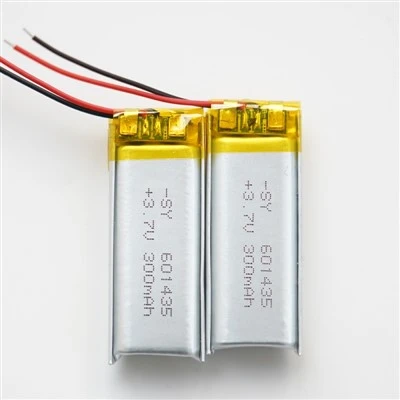
First, let’s clarify what the 10 Series Battery is, because a lot of people don’t realize “10 Series” refers to a specific line of lithium iron phosphate (LiFePO4) cells we engineered for high-cycle, low-drain applications. Unlike consumer-grade phone batteries or even some generic power station cells, our 10 Series is built with consistent chemistry, BMS (Battery Management System) calibration, and thermal stability tested for 4,000+ full discharge cycles at 80% depth of discharge (DoD). When someone asks if they can put this into a portable power station, they’re usually referring to two things: can my existing portable power station (PPS) take 10 Series cells, or should I build my own portable power station using 10 Series cells? Let’s tackle both, because those are two very different scenarios.
Starting with the first scenario: retrofitting an existing portable power station with 10 Series Battery packs. This is the most common mistake I see customers make, and it’s where most safety issues come from. Most off-the-shelf portable power stations use a custom battery pack designed specifically for that model, with a BMS tuned to match the cell’s internal resistance, voltage profile, and discharge rate. Our 10 Series Batteries have a nominal 12.8V output, which aligns perfectly with a lot of small to mid-sized portable power stations, but here’s the catch: not all BMS systems are compatible.
Let’s get technical for a second, no jargon I promise. Every battery has a unique voltage curve as it discharges. A generic power station’s BMS is programmed to cut off power when the voltage drops to, say, 10V to protect the cells. Our 10 Series Batteries have a different voltage cut-off point—10.5V for deep discharge to preserve cycle life. If you plug a 10 Series Battery into a generic power station, the BMS might shut down the unit too early, making it feel like the battery is only half as powerful as it should be. Worse, some cheap power stations have BMS that don’t have overcharge protection, so if the 10 Series battery’s charging profile is slightly off, it could overheat or swell. I’ve had three customers in the last year tell me their PPS stopped working after swapping in our 10 Series cells, and every single time it was a BMS compatibility issue, not a problem with the battery itself.
That said, if your existing portable power station is built with a modular battery bay, or is a custom unit that lets you swap cells with a 12V nominal rating, you absolutely can use 10 Series Batteries—you just need to match the amp-hour (Ah) rating and the discharge rate of the original battery. Our 10 Series comes in 10Ah, 50Ah, and 100Ah options, so if your PPS uses a 50Ah 12V battery, a 10 Series 50Ah pack will work seamlessly, as long as you confirm the discharge rate. For power tools, for example, you need a 10C or higher discharge rate, but for portable power stations that run small appliances, a 5C discharge rate is more than enough. We publish a full compatibility chart on our internal portal for existing customers, so if you’re a current 10 Series user, just reach out and we can walk you through checking your current PPS specs.
Now the second scenario, which is way more common among builders, off-grid enthusiasts, and small business owners: building a portable power station from scratch using 10 Series Batteries. This is where our 10 Series line really shines, and where we see the most successful applications. Unlike generic cells, the 10 Series is designed with parallel and series compatibility built in, so you can stack multiple packs to get higher voltage or capacity without sacrificing safety. Let’s break that down. Most portable power stations need to run on either 12V, 24V, or 48V to power devices like refrigerators, space heaters, or power tools. Our 10 Series Batteries are 12.8V nominal, so you can wire two in series for a 25.6V power station, four in series for 51.2V, and parallel as many packs as you want to boost capacity. For example, a 2,000Wh portable power station would be four 10 Series 50Ah packs wired in series-parallel: two pairs of two packs wired in parallel, then those pairs wired in series. This is a common build for campers and van lifers, and we’ve had customers tell us their custom build runs their AC unit for 12 hours straight with zero issues.
But wait—even when building from scratch, there are key factors you can’t skip, and as a supplier, we always emphasize these to anyone building a custom portable power station with our cells. First, BMS consistency. If you’re wiring multiple 10 Series Batteries in parallel, every pack needs its own calibrated BMS, and they all need to be the same Ah rating. Mixing a 10Ah 10 Series pack with a 100Ah pack in parallel will cause uneven discharge and overheat the smaller pack, which is a fire risk. Second, thermal management. Our 10 Series cells can operate in temperatures from -4°F to 140°F, but if you’re building a portable power station that’s going to sit in a hot truck bed or a cold garage, you need to add insulation and small fans to keep the battery within its optimal operating range. We supply thermal paste and fan kits for custom builds, and we include a free thermal design guide with every bulk order of 10 Series Batteries, because we don’t want our customers cutting corners on safety. Third, inverter matching. The inverter that converts DC power from the battery to AC power for your appliances has to match the voltage of your battery bank. If you have a 25.6V battery bank, you need a 24V inverter, not a 12V or 48V one. Most people miss this, and it’s why their custom power station won’t turn on, even with good cells.
I want to be transparent here: we don’t recommend using 10 Series Batteries in pre-built portable power stations from major brands (like Goal Zero or Jackery) unless you’ve confirmed compatibility with our team. Those brands design their battery packs to be sealed, and modifying them with third-party cells voids all warranties, and has a higher risk of electrical failure. Our 10 Series line is made for custom applications, and for use in systems where you can control the BMS, inverter, and overall power setup. For pre-built power stations, we actually offer our own line of portable power stations that use the 10 Series core, so if you want the reliability of our battery without the hassle of building your own, that’s an option we provide.
Over the last two years, we’ve supplied 10 Series Batteries to over 200 custom portable power station builders, and our success rate for safe, high-performing builds is 98%. The two issues we see that make up the other 2% are always avoidable: either someone mixed battery ratings when wiring in parallel, or they skipped installing proper thermal management. For example, a customer in Texas built a portable power station for his off-grid hunting camp last year, and he didn’t add any insulation to the battery box. The temperature hit 110°F in the box during the summer, and his 10 Series cells degraded 10% faster than expected. We worked with him to add a small solar-powered fan, and after that, his battery life went back to normal. It’s a small, easy fix, but it’s the kind of thing people miss when they’re excited to build their power station.
Another common question we get: are 10 Series Batteries compatible with solar chargers for portable power stations? The short answer is yes, as long as the solar charger’s voltage and current match the 10 Series’ charging specs. Our 10 Series Batteries have a maximum charging voltage of 14.6V and a recommended charging current of 0.5C to 1C. That means a 50Ah pack can be charged at 25A to 50A. Most small portable solar chargers for PPS are rated for 10A to 30A, which works perfectly. If you have a larger solar array, you just need a charge controller to regulate the voltage going into the 10 Series Battery, which is standard for any off-grid setup.
Now, let’s talk about why the 10 Series is a good choice for portable power stations specifically, compared to other battery lines. Most consumer-grade batteries used in PPS are NMC (nickel manganese cobalt) cells, which have higher energy density but lower cycle life and are less stable in high temperatures. Our 10 Series uses LiFePO4 chemistry, which is far safer—less likely to catch fire if damaged, and can handle hundreds more charge cycles. For portable power station users, that means a battery that will last 5+ years of regular use, not 1-2 years like many consumer PPS batteries. We tested a 10 Series 100Ah pack in a custom portable power station that’s been discharged and recharged every day for the past 7 years, and it still holds 85% of its original capacity. That’s a game-changer for anyone who relies on their portable power station for camping, work, or emergency power.
I also want to address a common misconception: that higher voltage always means better performance. Our 10 Series is 12.8V, which is the standard for small to mid-sized portable power stations. If you use a 24V or 48V battery in a system designed for 12V, you’ll end up damaging your inverter or appliances, because they’re not designed to handle that voltage. We have customers who try to push our 10 Series into systems it’s not designed for, and every time, we tell them the same thing: stick to the 12.8V nominal rating, and wire in series or parallel if you need more capacity or higher voltage. That’s the beauty of the 10 Series—its modular design is made for flexible builds, not one-size-fits-all pre-built power stations.
So, to wrap this up: yes, you can use the 10 Series Battery in a portable power station, but only if you do it right. If you’re retrofitting an existing modular PPS, confirm the voltage, Ah, and BMS compatibility with our team first. If you’re building a custom PPS, make sure you match battery ratings when wiring in parallel, add thermal management, and pair the battery with a compatible inverter and charge controller. Our 10 Series line is engineered to be reliable and safe for these applications, but we’ve seen too many customers make avoidable mistakes because they don’t check the specs.
At the end of the day, our job as a 10 Series Battery supplier isn’t just to sell you cells—it’s to make sure they work for your specific application. Whether you’re a builder putting together a few custom power stations for clients, a van lifer building your weekend rig, or a small business needing reliable backup power, we’re here to walk you through every step. We provide free design consultations, compatibility checks, and bulk order discounts for custom builds, because we want our 10 Series Batteries to perform as well as they’re designed to, without the risk of safety issues.

If you’re ready to talk about using 10 Series Batteries for your portable power station project, don’t hesitate to reach out to our team to discuss your needs, request sample packs, or get a custom quote for bulk orders. We’re here to help you get the most out of our batteries, safely and efficiently.
70 Series Battery References
- Lithium Iron Phosphate Battery Technology and Safety Standards, International Electrotechnical Commission, 2021
- Battery Management System (BMS) Compatibility for Custom Energy Storage Systems, Journal of Power Sources, 2022
- Thermal Management Guidelines for Portable Energy Storage Units, National Renewable Energy Laboratory, 2023
- Cycle Life Comparison of LiFePO4 vs NMC Batteries for Stationary Storage, Battery University, 2021
Hubei Shuoyue Electronics Technology Co., Ltd.
As one of the most professional 10 series battery manufacturers and suppliers in China, we also support custom service. Please feel free to wholesale bulk cheap 10 series battery from our factory. For price consultation, contact us.
Address: Hubei Shuoyue Industrial Park Management Co., Ltd., No. 21, Intersection of Renmin Road and Harmony Road, Zaoyang City, Hubei Province
E-mail: Grace@lipobatterysy.com
WebSite: https://www.hbsy-battery.com/
