Gantry milling machines are integral to a wide range of industries, offering high precision and the ability to handle large workpieces. As a gantry milling supplier, I’ve witnessed firsthand the importance of optimizing the gantry milling process. This not only enhances productivity and quality but also reduces costs and maximizes the lifespan of the equipment. In this blog, I’ll share some key strategies and techniques to optimize the gantry milling process. Gantry Milling

Understanding the Basics of Gantry Milling
Before delving into optimization strategies, it’s essential to have a solid understanding of how gantry milling works. A gantry milling machine consists of a bridge-like structure (the gantry) that spans over the workpiece. The cutting tool is mounted on the gantry and can move in multiple axes (usually X, Y, and Z) to perform various machining operations such as face milling, end milling, and slot milling.
The performance of a gantry milling process depends on several factors, including the machine’s specifications, the type of cutting tool, the workpiece material, and the cutting parameters. By carefully considering and optimizing these factors, you can achieve better results.
Selecting the Right Cutting Tools
The choice of cutting tools is crucial for optimizing the gantry milling process. Different cutting tools are designed for specific materials and machining operations. For example, carbide cutting tools are known for their high hardness and wear resistance, making them suitable for machining hard materials such as steel and cast iron. High – speed steel (HSS) tools, on the other hand, are more flexible and can be used for a wider range of materials, including softer metals and plastics.
When selecting cutting tools, consider the following:
- Tool Geometry: The shape and angle of the cutting edge can significantly affect the cutting performance. For example, a tool with a positive rake angle reduces cutting forces but may have lower edge strength.
- Coating: Coated cutting tools can improve tool life and reduce friction. Common coatings include titanium nitride (TiN), titanium carbonitride (TiCN), and aluminum titanium nitride (AlTiN).
- Tool Size: The size of the cutting tool should be appropriate for the workpiece size and the machining operation. Using a tool that is too small may result in longer machining times, while a tool that is too large may cause excessive cutting forces and poor surface finish.
Optimizing Cutting Parameters
Cutting parameters such as cutting speed, feed rate, and depth of cut have a direct impact on the gantry milling process.
- Cutting Speed: It refers to the speed at which the cutting edge of the tool moves relative to the workpiece. A higher cutting speed generally leads to increased productivity, but it also generates more heat, which can reduce tool life. The optimal cutting speed depends on the workpiece material, cutting tool material, and geometry.
- Feed Rate: Feed rate is the rate at which the workpiece moves relative to the cutting tool. A higher feed rate can increase productivity, but it may also lead to poor surface finish and increased tool wear. The feed rate should be selected based on the cutting tool’s capabilities and the desired surface quality.
- Depth of Cut: The depth of cut determines how much material is removed in each pass. A larger depth of cut can reduce the number of passes required, but it also increases cutting forces and may cause vibration. The depth of cut should be balanced to achieve efficient material removal without sacrificing tool life or surface quality.
To optimize cutting parameters, it’s recommended to conduct cutting tests on a small sample of the workpiece material. This allows you to determine the optimal combination of cutting speed, feed rate, and depth of cut for the specific application.
Workpiece Preparation
Proper workpiece preparation is essential for a successful gantry milling process.
- Material Inspection: Before machining, inspect the workpiece material for any defects such as cracks, porosity, or hardness variations. Defective materials can cause tool breakage and poor machining results.
- Workpiece Fixturing: Secure the workpiece firmly to the machine table to prevent movement during machining. The fixturing method should provide adequate support and stability without distorting the workpiece. Use fixtures such as vises, clamps, or custom – made jigs to hold the workpiece in place.
- Surface Preparation: The surface of the workpiece should be clean and free of dirt, grease, and oxides. A clean surface ensures better tool – workpiece contact and improves cutting performance.
Machine Maintenance and Calibration
Regular machine maintenance and calibration are vital for optimizing the gantry milling process.
- Lubrication: Ensure that all moving parts of the gantry milling machine are properly lubricated. This reduces friction, wear, and heat generation, improving the machine’s performance and longevity.
- Cleaning: Keep the machine clean, removing chips and debris regularly. This prevents contamination of the cutting fluids and the machine’s components, which can affect machining accuracy and tool life.
- Calibration: Periodically calibrate the machine to ensure accurate positioning and alignment of the cutting tool and the workpiece. This includes checking the accuracy of the axes, the spindle runout, and the tool setting.
Coolant and Lubrication
Coolant and lubrication play a crucial role in the gantry milling process.
- Coolant: Coolant helps to remove heat generated during cutting, reducing tool wear and preventing workpiece deformation. It also flushes away chips from the cutting area, improving surface finish. The coolant should be selected based on the workpiece material and the machining operation. For example, water – based coolants are commonly used for machining ferrous metals, while oil – based coolants are suitable for non – ferrous metals and difficult – to – machine materials.
- Lubrication: In addition to coolant, lubrication can be applied to the cutting tool and the workpiece to reduce friction and improve chip flow. This can be in the form of cutting oils or solid lubricants.
Operator Training and Skill Development
The operator’s skills and knowledge are important factors in optimizing the gantry milling process. Provide comprehensive training to your operators on the operation of the gantry milling machine, cutting tool selection, cutting parameter optimization, and safety procedures. Encourage continuous learning and skill development to keep up with the latest technological advancements in gantry milling.
Process Monitoring and Quality Control
Implement a process monitoring system to track the performance of the gantry milling process. This can include monitoring cutting forces, spindle power, and tool wear. By analyzing the data collected from the monitoring system, you can identify potential problems early and take corrective actions to prevent quality issues.
In addition, establish a quality control system to ensure that the machined parts meet the required specifications. This can involve inspection of the machined parts using measurement tools such as calipers, micrometers, and coordinate measuring machines (CMMs).
Conclusion
Optimizing the gantry milling process requires a combination of factors, including the selection of the right cutting tools, optimization of cutting parameters, proper workpiece preparation, machine maintenance, coolant and lubrication, operator training, and process monitoring. By implementing these strategies, you can improve productivity, quality, and cost – effectiveness in your gantry milling operations.
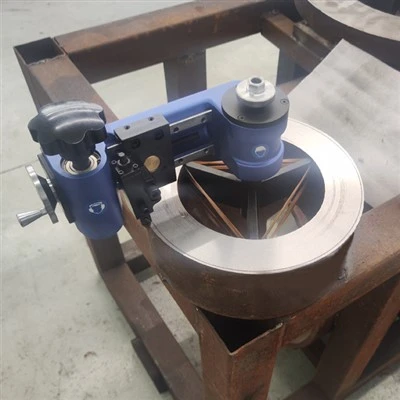
Portable Lathe If you’re looking to enhance your gantry milling capabilities or are in the market for high – quality gantry milling machines, we’d love to have a conversation with you. Reach out to us to discuss how we can tailor our solutions to meet your specific needs and take your manufacturing processes to the next level.
References
- Boothroyd, G., & Knight, W. A. (1989). Fundamentals of machining and machine tools. Marcel Dekker.
- Kalpakjian, S., & Schmid, S. R. (2009). Manufacturing engineering and technology. Pearson Prentice Hall.
- Stewart, D. W. (1987). Metal cutting principles. Society of Manufacturing Engineers.
Shangqiu JDA Machinery Technology Co., Ltd.
With abundant experience, we are one of the most professional gantry milling manufacturers and suppliers in China. We warmly welcome you to buy cheap gantry milling for sale here from our factory. Quality products and reasonable price are available.
Address: No. 55 Pingyuan Middle Road, Liangyuan District, Shangqiu, Henan, China
E-mail: sales@jdamachines.com
WebSite: https://www.jdamachines.com/
