Production flexibility in the context of a yarn making machine is a multifaceted concept that encompasses a wide range of factors, from the types of yarns it can produce to the speed and efficiency of switching between different production runs. As a supplier of yarn making machines, I’ve witnessed firsthand how crucial this flexibility is for businesses in the textile industry. Yarn Making Machine

One of the primary aspects of production flexibility is the ability to produce different types of yarns. Modern yarn making machines are designed to handle a variety of raw materials, including natural fibers like cotton, wool, and silk, as well as synthetic fibers such as polyester, nylon, and acrylic. This versatility allows manufacturers to meet the diverse demands of the market. For example, a textile company might need to produce high – quality cotton yarn for summer clothing, and then switch to a more durable polyester yarn for industrial applications. Our yarn making machines are equipped with adjustable settings that can be fine – tuned to accommodate different fiber types. The drafting system can be adjusted to control the fineness of the yarn, while the winding mechanism can be optimized for different yarn densities. This means that whether a customer is producing a delicate lace yarn or a heavy – duty carpet yarn, our machines can adapt to the specific requirements.
Another important factor in production flexibility is the ability to change the yarn count. Yarn count refers to the thickness or fineness of the yarn, and it is a critical parameter in determining the quality and characteristics of the final textile product. Our yarn making machines offer a wide range of yarn count options. Through precise control of the drafting and spinning processes, we can produce yarns with counts ranging from very fine (e.g., 100s cotton yarn) to relatively coarse (e.g., 10s wool yarn). This flexibility is essential for textile manufacturers who need to produce a variety of products, from lightweight and breathable fabrics to thick and warm ones. For instance, a manufacturer producing both high – end lingerie and heavy winter coats will require the ability to produce yarns of different counts on the same machine.
Color is another area where production flexibility plays a vital role. In the textile industry, color trends change rapidly, and manufacturers need to be able to respond quickly. Our yarn making machines support the production of both single – color and multi – color yarns. For single – color yarns, the dyeing process can be integrated into the production line, allowing for seamless color customization. In the case of multi – color yarns, we have developed advanced techniques that enable the mixing and blending of different colored fibers during the spinning process. This results in unique and eye – catching yarns that can give textile products a competitive edge in the market. For example, a fashion brand might request a yarn with a gradient color effect, and our machines can be adjusted to achieve this specific look.
Production speed and the ability to quickly switch between different production setups are also key components of flexibility. Time is money in the textile industry, and manufacturers need to be able to maximize their production capacity while minimizing downtime. Our yarn making machines are designed with high – speed production in mind. They can operate at optimal speeds without compromising on the quality of the yarn. Moreover, the setup and changeover times are significantly reduced. Our intuitive control systems allow operators to easily adjust the machine settings for different production runs. For example, if a manufacturer needs to switch from producing a batch of 30s cotton yarn to 20s wool yarn, the process can be completed in a matter of minutes. This not only increases productivity but also enables manufacturers to respond more quickly to market demands.
In addition to these technical aspects, production flexibility also has implications for cost – efficiency. By having a single machine that can produce a variety of yarns, manufacturers can reduce their capital investment. Instead of purchasing multiple machines for different types of yarn production, they can rely on our versatile yarn making machines. This also leads to savings in terms of maintenance, floor space, and labor. For example, a small – to – medium – sized textile business can significantly reduce its operating costs by using a flexible yarn making machine, which allows them to produce a wider range of products without the need for additional equipment and personnel.
Quality control is an integral part of production flexibility. Our yarn making machines are equipped with advanced monitoring and control systems that ensure consistent quality across different types of yarns and production runs. Sensors are placed throughout the machine to detect any deviations in yarn quality, such as variations in thickness, strength, or color. If any issues are detected, the machine can automatically adjust the production parameters to correct them. This ensures that every batch of yarn meets the high – quality standards required by the market. For example, in the production of yarns for medical textiles, where precision and quality are of utmost importance, our quality control systems can help manufacturers produce yarns that meet the strictest industry regulations.
We also understand that the textile industry is constantly evolving, with new materials and production techniques emerging all the time. That’s why our yarn making machines are designed with upgradability in mind. We offer regular software and hardware updates to enhance the machine’s performance and add new features. This allows our customers to stay ahead of the curve and adapt to the changing market dynamics. For instance, if a new type of eco – friendly fiber becomes popular, our machines can be upgraded to handle it efficiently.
In conclusion, the production flexibility of our yarn making machines offers a multitude of benefits to textile manufacturers. It allows them to produce a diverse range of yarns, adapt to changing market demands, increase productivity, reduce costs, and maintain high – quality standards. Whether you are a large – scale industrial producer or a small – scale artisanal yarn maker, our machines can provide you with the flexibility you need to succeed in the competitive textile market.
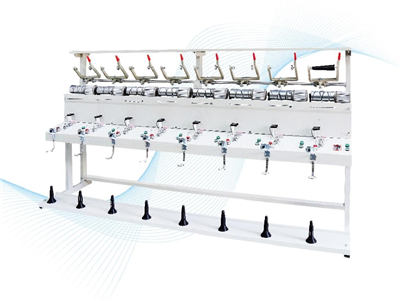
If you are interested in learning more about how our yarn making machines can meet your production needs, or if you would like to discuss a specific project or requirement, please do not hesitate to get in touch with us. We look forward to having a business discussion with you and helping you find the perfect solution for your yarn production needs.
Yarn Winding Machine References
- "Handbook of Yarn Production" by A. K. Roy
- "Textile Yarns and Fibers: Structure, Properties, and Performance" by J. E. J. Rasmussen
- Industry – specific research reports on textile manufacturing and yarn production technologies.
Zhangjiagang Kingkangda Machinery Co., Ltd.
Zhangjiagang Kingkangda Machinery Co., Ltd. is one of the most professional yarn making machine manufacturers and suppliers in China, specialized in providing high quality customized service. We warmly welcome you to wholesale yarn making machine in stock here from our factory. Contact us for pricelist and quotation.
Address: Korea Industrial Park, Fenghuang Town, Zhangjiagang City, Jiangsu Province, China
E-mail: kingkangdacn@hotmail.com
WebSite: https://www.kingkangda.com/
