Hey there! I’m a supplier of veneer production lines, and I’ve seen firsthand how a well – optimized layout can make a world of difference in the efficiency and productivity of a veneer manufacturing plant. In this blog, I’m gonna share some tips on how to optimize the layout of a veneer production line. Veneer Production Line
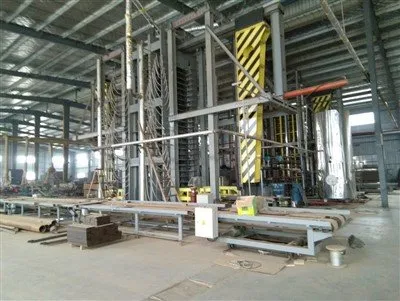
Understanding the Basics of Veneer Production
Before we dive into layout optimization, let’s quickly go over the basic steps in veneer production. First, you’ve got the log debarking. This is where you remove the outer layer of the logs. Then, the logs are sliced into thin sheets, or veneers, using a lathe. After that, the veneers go through a drying process to reduce their moisture content. Finally, they’re sorted, graded, and sometimes glued together to make plywood or other products.
Analyzing the Space
The first step in optimizing your veneer production line layout is to take a good look at the space you’ve got. Measure the length, width, and height of your factory floor. Think about the flow of materials, from the moment the logs come in to when the finished veneer products go out. You want to minimize the distance that materials need to travel between different stages of production.
For example, if your debarking area is far away from the lathe, you’re gonna waste a lot of time and energy moving the logs around. Try to position these two areas as close to each other as possible. This not only saves time but also reduces the risk of damage to the logs during transportation.
Equipment Placement
The way you place your equipment is crucial. Each piece of machinery in the veneer production line has its own function, and they need to work together smoothly. Start by arranging the equipment in the order of the production process.
Let’s talk about the lathe, which is the heart of the veneer production. It should be placed in a central location where it can easily receive the debarked logs and send the sliced veneers to the next stage. Make sure there’s enough space around the lathe for operators to move around safely and for maintenance workers to access it.
The drying equipment, such as kilns, should be placed in an area with good ventilation. Since drying involves heat, you don’t want it to overheat other parts of the production line. Also, consider the weight and size of the kilns. They’re usually heavy and bulky, so you need to make sure the floor can support them.
Storage Areas
Storage is an often – overlooked part of the production line layout. You need to have proper storage for raw materials (logs), semi – finished products (freshly sliced veneers), and finished products.
For log storage, you can use open – air yards or covered warehouses. If you’re in an area with harsh weather, a covered warehouse is a better option to protect the logs from rain, snow, and extreme heat. The logs should be stacked in an organized way to allow easy access.
Semi – finished veneers need to be stored in a clean and dry environment to prevent warping or mold growth. You can use racks or pallets to store them. And for the finished products, you need a storage area that’s easily accessible for shipping. It should be close to the exit of the factory so that trucks can quickly load up the products and get on the road.
Worker Safety and Comfort
Don’t forget about the people who are actually working on the production line. A well – designed layout should prioritize worker safety and comfort.
Create clear walkways for workers to move around. Mark them with painted lines or signs so that there’s no confusion. Make sure the walkways are wide enough to accommodate equipment like forklifts and pallet jacks.
Provide proper lighting in all areas of the production line. Good lighting not only helps workers do their jobs better but also reduces the risk of accidents. And don’t forget about ventilation. The production process can generate a lot of dust, fumes, and heat, so you need to have a ventilation system that can keep the air fresh and clean.
Flexibility and Future Expansion
The veneer market is constantly changing, and your production line needs to be able to adapt. When designing the layout, think about future expansion. Leave some extra space around the equipment and in storage areas.
For example, if you plan to add a new type of drying equipment in the future, you should have a spot reserved for it. This way, you won’t have to completely re – arrange the entire production line when you want to make changes.
Material Flow Management
Efficient material flow is the key to a productive veneer production line. You can use conveyor belts, forklifts, and other material handling equipment to move materials between different stages of production.
Conveyor belts are great for moving veneers from the lathe to the drying area or from the drying area to the sorting area. They can be customized to fit the layout of your production line. Forklifts are useful for moving heavy logs and large pallets of finished products.
But you also need to have a system in place to manage the flow of materials. This can include scheduling the movement of materials, using barcodes or RFID tags to track inventory, and having a clear communication system between different departments.
Communication and Coordination
In a veneer production plant, good communication and coordination between different departments are essential. The layout should facilitate this. For example, you can design the offices of the production managers and supervisors to be close to the production line so that they can easily monitor the operations.
Also, consider having a central control room where operators can monitor the entire production process in real – time. This control room should be equipped with the latest technology, such as CCTV cameras and sensors, to keep track of the equipment status and material flow.
Cost – Benefit Analysis
When optimizing the layout of your veneer production line, you need to do a cost – benefit analysis. Some changes may require a significant investment, such as moving a large piece of equipment or building a new storage area.
But you also need to consider the long – term benefits. For example, if you invest in a new conveyor belt system that can reduce the labor cost and increase the production speed, it may be worth the initial investment. Calculate how long it will take for the investment to pay off and make a decision based on that.
Get Expert Help
If you’re not sure how to optimize your veneer production line layout, don’t hesitate to get expert help. There are consultants and engineers who specialize in industrial layout design. They can assess your current situation, suggest improvements, and help you implement them.

As a veneer production line supplier, I’ve got a lot of experience in this field. I can offer you not only high – quality equipment but also professional advice on layout optimization. Whether you’re setting up a new production line or looking to improve an existing one, I’m here to help.
Auxiliary Machines If you’re interested in optimizing your veneer production line layout or purchasing one of our top – notch production lines, feel free to reach out for a friendly chat. We can discuss your specific needs, see how we can tailor the layout and equipment to fit your operation.
References
- "Veneer Manufacturing Handbook": A comprehensive guide that covers all aspects of veneer production, including layout design.
- "Industrial Layout Engineering Principles": A book that provides fundamental knowledge on how to design efficient industrial layouts for manufacturing plants.
- "Best Practices in Veneer Production Facilities": A research paper that presents real – world case studies and practical tips for optimizing veneer production processes and layouts.
Linyi Metro Machinery Co., Ltd.
As one of the most professional veneer production line manufacturers in China, we have world-leading production equipment and strong manufacturing capabilities. Please feel free to buy high quality veneer production line for sale here from our factory. Customized orders are welcome.
Address: NO.119,YanAn Road,YiHe New District,Linyi city,Shandong province,China.
E-mail: lovialiu@metromach.com
WebSite: https://www.metromach.com/
