Connecting two water hoses might seem like a trivial task, but in the world of water management, it’s a skill that can significantly enhance the reach and functionality of your water delivery system. As a supplier of high – quality water hoses, I’ve seen firsthand how a proper connection can make or break a project, whether it’s for household gardening, industrial cleaning, or large – scale agricultural irrigation. In this blog, I’ll share my insights on the different methods of connecting two water hoses, the tools you’ll need, and some tips to ensure a leak – free and long – lasting connection. Water Hose
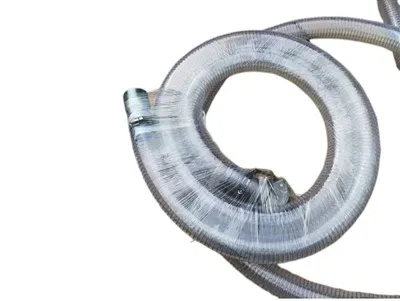
Understanding Hose Types and Fittings
Before we dive into the connection process, it’s crucial to understand the different types of water hoses and their corresponding fittings. There are two main categories of water hoses: garden hoses and industrial hoses. Garden hoses are typically made of rubber or PVC and are designed for light – duty tasks such as watering plants, washing cars, and filling small pools. They usually have a standard diameter of ½ inch, ⅝ inch, or ¾ inch and come with a threaded fitting at each end.
Industrial hoses, on the other hand, are made of more durable materials such as reinforced rubber or thermoplastics and are used for heavy – duty applications like firefighting, construction site dewatering, and chemical transfer. These hoses can have a wide range of diameters and may feature different types of fittings, including cam and groove couplings, quick – connect fittings, and flanged connections.
The type of fitting on your hoses will determine the method you use to connect them. For garden hoses, threaded fittings are the most common, while industrial hoses often require specialized connectors.
Connecting Garden Hoses with Threaded Fittings
Connecting two garden hoses with threaded fittings is a straightforward process that requires minimal tools. Here’s a step – by – step guide:
Step 1: Gather Your Tools and Materials
You’ll need two garden hoses with threaded fittings, a hose washer (if not already installed), and a pair of pliers. The hose washer is a small rubber or plastic ring that helps create a watertight seal between the two fittings.
Step 2: Inspect the Fittings
Before making the connection, carefully inspect the threaded fittings on both hoses for any signs of damage, such as cracks, chips, or stripped threads. If you notice any damage, it’s best to replace the fitting to prevent leaks.
Step 3: Apply the Hose Washer
If the hose washer is not already installed on one of the fittings, place it inside the female end of the fitting. Make sure the washer is properly seated and centered.
Step 4: Connect the Hoses
Align the male and female threaded fittings of the two hoses. Start turning the male fitting clockwise into the female fitting by hand. As you turn, you’ll feel the threads engaging. Continue turning until you can’t turn the fitting any further by hand.
Step 5: Tighten the Connection
To ensure a secure and leak – free connection, use a pair of pliers to gently tighten the fitting. Be careful not to overtighten, as this can damage the threads or the hose. A quarter – turn to half – turn with the pliers should be sufficient.
Step 6: Test the Connection
Once the connection is tightened, turn on the water supply and check for any leaks. If you notice any water dripping from the connection, turn off the water and use the pliers to tighten the fitting a little more.
Connecting Industrial Hoses with Specialized Fittings
Connecting industrial hoses with specialized fittings requires a bit more knowledge and skill. Here are some common types of industrial hose fittings and how to connect them:
Cam and Groove Couplings
Cam and groove couplings are a popular choice for industrial hoses because they are easy to connect and disconnect. Here’s how to use them:
- Inspect the Couplings: Check the cam arms, grooves, and gaskets for any damage or wear. Replace any damaged parts before making the connection.
- Align the Couplings: Insert the male adapter into the female coupler. Make sure the grooves on the male adapter align with the cam arms on the female coupler.
- Close the Cam Arms: Swing the cam arms over the grooves on the male adapter and close them tightly. You can use a hammer or a mallet to tap the cam arms into place if necessary.
- Test the Connection: Once the cam arms are closed, turn on the water supply and check for any leaks. If you notice any leaks, open the cam arms and re – align the couplings.
Quick – Connect Fittings
Quick – connect fittings are designed for fast and easy connections. Here’s how to use them:
- Inspect the Fittings: Check the fittings for any damage or debris. Clean the fittings if necessary.
- Insert the Hose: Insert the end of the hose into the quick – connect fitting until it clicks into place. Make sure the hose is fully inserted and secure.
- Connect the Fittings: Align the male and female quick – connect fittings and push them together until they lock. You should hear a click when the fittings are properly connected.
- Test the Connection: Turn on the water supply and check for any leaks. If you notice any leaks, disconnect the fittings and re – insert the hose or check for any damage.
Flanged Connections
Flanged connections are used for high – pressure applications. Here’s how to make a flanged connection:
- Inspect the Flanges: Check the flanges for any damage, such as cracks or warping. Make sure the flange faces are clean and free of debris.
- Align the Flanges: Place the two flanges together and align the bolt holes. Insert the bolts through the holes and hand – tighten the nuts.
- Tighten the Bolts: Use a torque wrench to tighten the bolts to the recommended torque specification. Make sure to tighten the bolts in a criss – cross pattern to ensure even pressure.
- Test the Connection: Once the bolts are tightened, turn on the water supply and check for any leaks. If you notice any leaks, use the torque wrench to tighten the bolts a little more.
Tips for a Successful Connection
- Choose the Right Fittings: Make sure the fittings you use are compatible with your hoses in terms of size, type, and pressure rating. Using the wrong fittings can result in leaks or even hose failure.
- Keep the Fittings Clean: Before making a connection, clean the fittings to remove any dirt, debris, or old gasket material. This will help create a better seal and prevent leaks.
- Use a Sealant: If you’re using threaded fittings, you can apply a thread sealant such as Teflon tape or pipe dope to the male threads before making the connection. This will help create a watertight seal.
- Check for Leaks Regularly: Even if your connection seems secure, it’s a good idea to check for leaks regularly, especially after the hose has been in use for some time. If you notice any leaks, address them immediately to prevent water waste and potential damage.
Conclusion
Connecting two water hoses is a simple but important task that can have a big impact on the performance of your water delivery system. Whether you’re using garden hoses for household tasks or industrial hoses for heavy – duty applications, following the right steps and using the proper tools and fittings will ensure a leak – free and long – lasting connection.
Layflat Hose As a water hose supplier, I’m here to help you with all your hose needs. Whether you’re looking for the right type of hose, the appropriate fittings, or advice on how to make a connection, I have the expertise and the products to meet your requirements. If you’re interested in purchasing high – quality water hoses or need more information about our products, please don’t hesitate to contact me for a procurement discussion. I look forward to working with you to find the best solutions for your water management needs.
References
- "The Complete Guide to Water Hoses" – A comprehensive guidebook on water hoses, their types, and applications.
- "Industrial Hose Fittings: Installation and Maintenance" – A technical manual providing in – depth information on industrial hose fittings and their proper use.
Weifang Xinzhiyuan Plastic Co., Ltd.
As one of the most experienced water hose manufacturers and suppliers in China, we offer a wide range of products with superior quality. Please feel free to wholesale premium water hose made in China here from our factory. We also accept customized orders.
Address: No. 700, Tongle Street, Economic Development Zone, Changle County, Weifang City, Shandong Province
E-mail: hua@xzypvchose.com
WebSite: https://www.pvchose-xzy.com/
