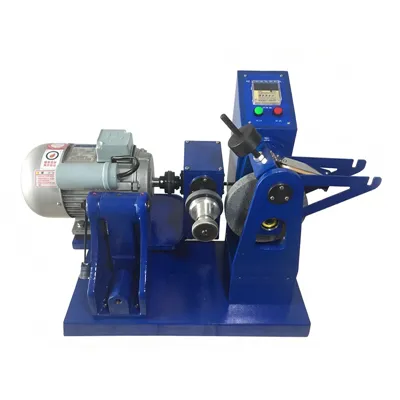
Dynamic testing is a crucial process in various industries, including automotive, aerospace, construction, and materials science. It involves subjecting a specimen or a component to varying loads, forces, or displacements over time to evaluate its performance under real – world conditions. As a leading testing machine supplier, I am well – versed in the intricacies of performing dynamic testing using our state – of – the – art equipment. In this blog post, I will guide you through the steps of dynamic testing using a testing machine, from the initial setup to the final analysis of results. Testing Machine
Step 1: Understanding the Testing Requirements
Before starting any dynamic testing, it is essential to have a clear understanding of the testing requirements. This includes defining the test objectives, the type of specimen or component to be tested, the testing standards or specifications to be followed, and the expected output of the test. For example, if you are testing a suspension component for an automobile, the objective might be to evaluate its fatigue life under cyclic loading. The testing standards could be based on industry – specific regulations or internal company requirements. Understanding these requirements will help you select the appropriate testing machine and testing parameters.
Step 2: Selecting the Right Testing Machine
As a testing machine supplier, we offer a wide range of machines suitable for different types of dynamic testing. The selection of the testing machine depends on several factors, such as the type of load (tensile, compressive, torsional), the range of load and displacement, the frequency of loading, and the accuracy requirements. For low – frequency dynamic testing, a hydraulic testing machine might be a suitable choice as it can generate high forces. On the other hand, for high – frequency testing, an electrodynamic testing machine offers better performance due to its fast response time.
When choosing a testing machine, it is also important to consider the control system. A sophisticated control system allows for precise control of the load, displacement, and frequency during the test. Our machines are equipped with advanced control systems that offer features such as closed – loop control, data logging, and real – time monitoring.
Step 3: Preparing the Specimen
Proper specimen preparation is crucial for accurate and reliable test results. The specimen should be manufactured according to the specified dimensions and surface finish. Any defects or irregularities in the specimen can significantly affect the test results. For example, if you are testing a metal specimen under cyclic loading, surface cracks or scratches can act as stress concentrators and lead to premature failure.
Before testing, the specimen should be cleaned and inspected for any visible defects. It should also be properly mounted on the testing machine. The mounting method should ensure that the specimen is securely held in place without introducing any additional stress or constraints. Our testing machines come with a variety of fixtures and grips that can accommodate different types of specimens.
Step 4: Setting Up the Testing Machine
Once the specimen is prepared, the next step is to set up the testing machine. This involves calibrating the load cell and displacement sensor to ensure accurate measurements. Calibration should be performed regularly to maintain the accuracy of the testing machine.
The testing parameters, such as the load amplitude, frequency, and number of cycles, need to be set according to the testing requirements. These parameters can be programmed into the control system of the testing machine. For example, if you are performing a fatigue test, you can set the load amplitude to simulate the expected service load and the frequency to represent the operating conditions.
Step 5: Conducting the Dynamic Testing
After the testing machine is set up, the dynamic testing can be started. During the test, the testing machine applies the specified load or displacement to the specimen in a cyclic or dynamic manner. The control system continuously monitors the load, displacement, and other relevant parameters and adjusts them as necessary to maintain the desired testing conditions.
It is important to monitor the test progress closely. Any abnormal behavior, such as excessive vibration, noise, or sudden changes in the load or displacement, should be investigated immediately. Our testing machines are equipped with safety features to protect the operator and the machine in case of any unexpected events.
Step 6: Data Acquisition and Analysis
During the dynamic testing, the testing machine records a large amount of data, including the load, displacement, time, and number of cycles. This data can be used to analyze the performance of the specimen. Data acquisition systems in our testing machines are capable of collecting data at high sampling rates, ensuring that all relevant information is captured.
The data analysis involves processing the raw data to obtain meaningful information. This can include calculating the stress and strain, determining the fatigue life, and evaluating the dynamic response of the specimen. Various software tools are available for data analysis, and our testing machines can be integrated with these tools to facilitate the analysis process.
Step 7: Reporting the Results
Once the data analysis is complete, the results need to be reported in a clear and concise manner. The report should include a description of the testing objectives, the testing procedure, the test results, and the conclusions. The results should be presented in a graphical or tabular form for easy interpretation.
The report can be used for various purposes, such as product development, quality control, and compliance with industry standards. It can also serve as a reference for future testing and research.
Additional Considerations
- Environmental Factors: In some cases, environmental factors such as temperature, humidity, and corrosion can affect the performance of the specimen during dynamic testing. Special chambers or environmental control systems can be used to simulate these conditions.
- Maintenance and Calibration: Regular maintenance and calibration of the testing machine are essential to ensure its long – term reliability and accuracy. Our company provides comprehensive maintenance services and calibration support to our customers.
- Training and Support: Operating a testing machine requires specialized knowledge and skills. We offer training programs for our customers to help them operate the machines safely and effectively. Our technical support team is also available to provide assistance and troubleshooting in case of any issues.
Conclusion
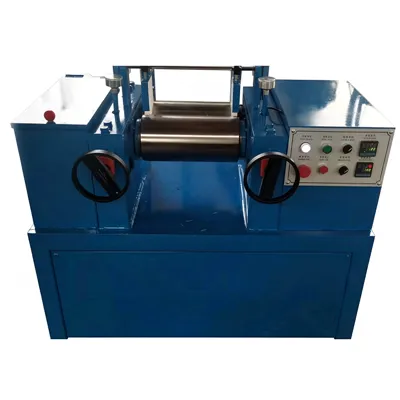
Performing dynamic testing using a testing machine is a complex but essential process for evaluating the performance of materials and components under real – world conditions. By following the steps outlined in this blog post, you can ensure accurate and reliable test results. As a testing machine supplier, we are committed to providing high – quality testing equipment, comprehensive support, and training to help our customers meet their testing needs.
Testing Machine If you are interested in purchasing a testing machine for your dynamic testing requirements or need more information about our products and services, please feel free to contact us. We look forward to discussing your specific needs and finding the best solution for you.
References
- ASTM International. (20xx). Standards related to dynamic testing.
- ISO. (20xx). International standards on materials testing.
- Smith, J. D. (20xx). Principles of Dynamic Testing in Materials Science. Publisher Name.
Yangzhou Zhengyi Testing Machinery Co., Ltd.
As one of the most professional testing machine manufacturers and suppliers in China, we warmly welcome you to buy customized testing machine at competitive price from our factory. If you have any enquiry about quotation, please feel free to email us.
Address: No. 66 Zhenxing North Road, Zhenwu Town, Jiangdu District, Yangzhou City, Jiangsu Province
E-mail: 13813156012@163.com
WebSite: https://www.cnzhengyi.com/
