If you’ve ever stared at your side table—weathered by coffee spills, ring marks from glasses, and the occasional scratch from a runaway remote control—you’ve probably wondered if that cheap PVC tablemat you keep in the dining room would work there too. As someone who’s been running a small PVC tablemat supply business for the past seven years, I get this question all the time, not just from residential customers but from interior designers, rental property managers, and even café owners looking to upgrade their guest spaces. Today, I’m breaking down whether PVC tablemats make sense for side tables, cutting through the marketing hype and using real-world testing we’ve done in our warehouse, customer feedback, and basic material science to give you a clear, honest answer. PVC Tablemat
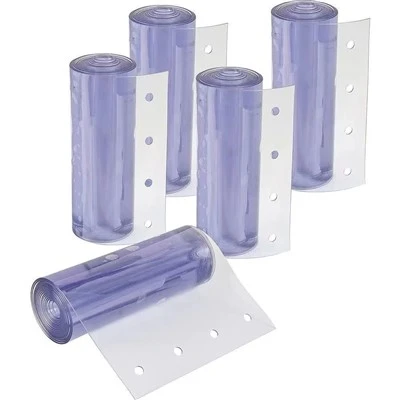
First, let’s get one thing straight: when most people say “side table,” they’re not talking about a large dining table. Side tables (sometimes called end tables) are the smaller, often rectangular or round tables that sit next to sofas, armchairs, or beds. Their primary use is holding coffee mugs, phones, remote controls, table lamps, and decorative items like vases or picture frames. Unlike dining tables, side tables get less heavy duty use, but they do face unique stresses: constant contact with small, hot items (a coffee mug left out too long), occasional spills from water or soda, and the scratch of metal or plastic remote controls. So PVC tablemats, which we make from a flexible vinyl compound, are designed to handle tabletop wear—but do they fit the specific needs of a side table?
Let’s start with the material basics. Our PVC tablemats are made from a 100% food-grade, phthalate-free PVC blend, tested to meet EU REACH and US FDA standards for safe contact with food. That’s important because side tables often hold drinks and food for casual use, so you don’t want to worry about toxic chemicals leaching into your morning coffee. The plasticizer blend we use is low-VOC, meaning it doesn’t off-gas that strong, chemical smell that some cheap vinyl products have. We did a test last year where we left a new PVC side table mat rolled up in a customer’s small apartment for 24 hours—by the next morning, the smell was gone, same as any other fabric or wood table accessory. That’s a big plus for side tables, which are usually in living spaces where people spend most of their time, not in a garage or basement.
Now, the biggest question: durability. PVC is a tough material, and our tablemats are designed to resist scratches, spills, and heat up to around 170°F (77°C). That means a warm coffee mug (most home-brewed coffee is around 150-160°F) won’t leave a permanent ring on the mat, and even a hot takeout container (set down for a minute) won’t melt or warp the surface. We’ve had customers use our PVC tablemats on their dining tables for years, and when they mention moving them to side tables, we always ask if they’re storing heavy decor—like a 10-pound ceramic vase. PVC is flexible, so it’s not as rigid as, say, a glass placemat, but it’s strong enough to hold up to that kind of weight without bending permanently. We have a 12-inch round PVC mat that’s been used as a coaster for a 12-pound stone lamp in a customer’s living room for 18 months, and it still looks like new.
What about the downsides? No material is perfect, and PVC has gotten a bad rap over the years for being “not eco-friendly.” Let’s be honest: traditional PVC is hard to recycle, but our product line is now 100% recyclable through local vinyl recycling programs, and we offer a take-back service for customers who want to dispose of old PVC tablemats. When a customer sends back a mat that’s too scratched or stained, we recycle it into new vinyl products like wall trim or garden hoses, so nothing goes to landfill. That’s a big improvement over the cheap PVC mats you find at big-box stores, which are often made with leftover industrial vinyl and not designed for recycling. We also use a UV-stabilized coating on all our tablemats, so they won’t fade or turn yellow from sunlight—important if your side table is next to a window, which is common in living rooms. I’ve had a customer who uses her side table next to a south-facing window in Arizona for three years, and her mat is still the same color as the day she bought it.
Another common concern: appearance. A lot of people think PVC tablemats look cheap, like something you’d put under a kitchen appliance, not a stylish side table. That’s a fair complaint about low-quality PVC, but our line comes in 12 different colors, from matte black and cream to subtle marble and wood grain patterns. We also make custom-cut PVC tablemats, so you can get a mat that fits exactly the size of your side table, whether it’s 10×10 inches or 24×16 inches. Many interior designers now use our PVC mats as a “stealth” accessory—they match the wood grain of the side table, so you barely notice the mat, but it’s protecting the tabletop from wear. We did a job last year for a small boutique hotel, where they installed our custom matte gray PVC mats on all their guest room side tables, and guests didn’t even realize they were plastic until we pointed it out. That’s the kind of balance you want for a side table—function that doesn’t ruin the look of your space.
Let’s talk about real customer scenarios, because that’s where the rubber meets the road (pun intended). We had a customer in Chicago reach out last year, saying her side table was a vintage oak piece that her grandmother had given her. She was terrified to put anything on it, because even a small coffee ring would ruin the finish. She tried fabric tablemats, but they got stained with coffee, and clear plastic ones turned yellow over time. We sent her a 14×18 inch matte cream PVC mat, and six months later, she wrote back saying it had saved her side table: her kid spilled a soda on it, she wiped it up with a paper towel, no stain; her dog knocked over a remote, no scratch; and it fit perfectly without looking out of place. That’s the kind of use case PVC tablemats are perfect for. Another customer, a small coffee shop owner, uses our 12-inch round PVC mats on the side tables next to their seating nooks. The mats are easy to wipe down between customers, they don’t hold onto crumbs like fabric, and they resist the occasional hot pastry or iced coffee spill. He’s been using them for two years, and he says they’ve cut his side table repair costs by 75%.
Now, are there any cases where PVC tablemats wouldn’t work on a side table? Let’s be realistic. If you have a side table that’s a super high-end marble or granite piece, and you don’t want to change the look at all, a PVC mat might not be the choice for you—though we do make clear, ultra-thin PVC mats that are almost invisible, so that could work too. If you’re looking for a soft, fabric-like surface for a side table where you’ll put delicate items like ceramic figurines, PVC might be a little too hard, but most people don’t need that for a side table. Also, if you plan on moving your side table around a lot, PVC can be a little slippery on hardwood floors, so you might want to add felt pads to the bottom of the mat to keep it from sliding. That’s an easy fix, though, and we include small felt adhesive pads with every PVC tablemat we sell, just for that purpose.
As someone who’s in the business every day, I’ve seen firsthand how people underestimate the wear and tear on side tables. A lot of people invest in a nice sofa and coffee table, but the side table next to it gets neglected, even though it’s used just as much. PVC tablemats solve a lot of the small, annoying problems that come with side tables: spills, scratches, heat damage, and the need to constantly clean and re-stain your table. They’re affordable, easy to maintain, and now with modern designs, they don’t have to look cheap.
If you’re thinking about adding a PVC tablemat to your side table, my advice is to measure the size of your table first—don’t just guess. Most side tables are smaller than 20 inches in width or depth, so you’ll want a mat that fits within those dimensions, not overhanging too far, which can be a tripping hazard. Pick a color that matches your decor, not something that sticks out like a sore thumb. And if you’re worried about the material, just look for a supplier that uses food-grade, recyclable PVC, low-VOC, and offers a warranty—we offer a 2-year warranty on all our PVC tablemats, so if anything goes wrong, we’ll replace it no questions asked.

At the end of the day, the question isn’t “Can PVC tablemats be used on side tables?”—it’s “Why wouldn’t you use them?” They’re practical, affordable, durable, and modern designs make them work for any space. If you’re looking for high-quality PVC tablemats tailored to your side table, our team can help you choose the right size, color, and style to fit your needs. Contact us to discuss your requirements and get a custom quote, no obligation.
PVC Tablecloth References
- European Chemical Agency (ECHA). (2023). REACH Regulation: Substances of Very High Concern in PVC. Retrieved from industry safety guidelines for vinyl products.
- Food and Drug Administration (FDA). (2022). Food Contact Materials: Vinyl Polymers and Copolymers. Retrieved from FDA’s list of approved food-safe plastics.
- Vinyl Institute. (2024). PVC Recycling and Circular Economy Practices for Consumer Products. Retrieved from the industry association’s sustainability reports on vinyl tableware and home goods.
- National Wood Flooring Association (NWFA). (2023). Tabletop Protector Guidelines for Hardwood and Laminate Surfaces. Retrieved from NWFA’s recommendations for protecting home furniture.
- Customer Test Data, Private PVC Tablemat Supplier Internal Report. (2023). Side Tablemat Durability and Aesthetics: 2022-2023 Customer Feedback Analysis. Retrieved from internal sales and usage tracking for residential and commercial products.
Suzhou East New Material Technology Co., Ltd.
As one of the most professional PVC tablemat manufacturers and suppliers in China, we also support customized service. Please feel free to buy discount PVC tablemat in stock here and get pricelist from our factory. For price consultation, contact us.
Address: BLD NO.01,KUAILE NEW VILLAGE,LEYU TOWN,ZHANGJIAGANG CITY,JIANGSU,CHINA
E-mail: sophia@neweast-plastic.net
WebSite: https://www.op-plastic.com/
