In the realm of electrical engineering and safety, the NH fuse holder stands as a crucial component. As a dedicated supplier of NH fuse holders, I’ve witnessed firsthand the diverse applications and significance of these devices in various industries. In this blog, I’ll delve into what the NH fuse holder is used for, exploring its functions, benefits, and the industries that rely on it. NH Fuse Holder
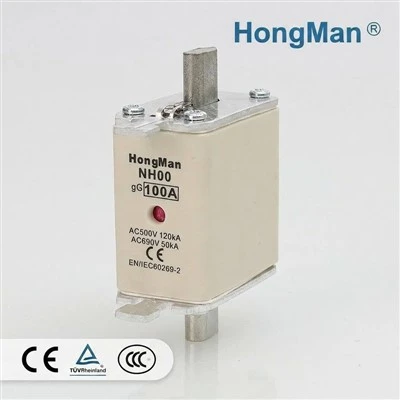
Understanding the Basics of NH Fuse Holders
Before we dive into the applications, let’s first understand what an NH fuse holder is. NH, which stands for "Norma Helvetica," is a European standard for high – rupturing capacity (HRC) fuses and their corresponding holders. The NH fuse holder is designed to securely hold an NH fuse, which is a type of cartridge fuse. These fuses are known for their ability to interrupt high fault currents safely and effectively, protecting electrical systems from damage caused by overcurrents.
The NH fuse holder typically consists of a body made of insulating materials such as ceramic or plastic, which provides electrical isolation. It has contacts that are designed to make a reliable electrical connection with the fuse. The holder also has a mechanism for easy installation and replacement of the fuse, ensuring that maintenance can be carried out efficiently.
Overcurrent Protection
One of the primary uses of the NH fuse holder is overcurrent protection. In any electrical system, there is a risk of overcurrents occurring due to various reasons such as short circuits, overloads, or ground faults. An overcurrent can cause excessive heat, which can damage the electrical equipment, start a fire, or even pose a safety hazard to personnel.
When an overcurrent occurs in a circuit, the NH fuse in the holder will melt. The fuse is designed to have a specific current – rating, and when the current exceeds this value, the fuse element will heat up and eventually break. This breaks the circuit, stopping the flow of current and protecting the rest of the electrical system. The NH fuse holder plays a crucial role in this process by securely holding the fuse in place and providing a stable connection to the circuit.
For example, in an industrial electrical panel, there are multiple circuits that power different machines and equipment. Each circuit may have an NH fuse holder with an appropriately rated fuse. If a short circuit occurs in one of the machines, the fuse in the corresponding NH fuse holder will blow, isolating the faulty circuit from the rest of the system. This not only protects the machine but also prevents the overcurrent from affecting other circuits and causing more widespread damage.
Short – Circuit Protection
Short – circuits are a particularly dangerous type of overcurrent situation. A short – circuit occurs when there is a direct connection between two conductors with different electrical potentials, bypassing the normal load in the circuit. This can result in an extremely high current flow, which can cause significant damage in a very short time.
NH fuse holders are specifically designed to handle short – circuit currents. The NH fuses used in these holders have a high – rupturing capacity, which means they can safely interrupt very high short – circuit currents without causing an explosion or other dangerous situations. The fuse holder ensures that the fuse is properly installed and that the electrical connection is maintained until the fuse blows in the event of a short – circuit.
In a power distribution network, short – circuits can occur due to various reasons such as damaged cables, faulty equipment, or environmental factors. NH fuse holders are used at different levels of the distribution network to protect transformers, switchgear, and other electrical components from short – circuit damage. For instance, at a sub – station, large – capacity NH fuse holders with high – rated fuses are used to protect the transformers from short – circuit currents that could otherwise cause catastrophic damage.
Applications in Different Industries
Industrial Manufacturing
In the industrial manufacturing sector, NH fuse holders are widely used in machinery and equipment. Manufacturing plants rely on a variety of electrical machines such as motors, pumps, and conveyor systems. These machines are often subject to high electrical loads, and there is a risk of overcurrents and short – circuits.
NH fuse holders are installed in the control panels of these machines to protect them from electrical faults. For example, in a motor control center, each motor is connected to a circuit with an NH fuse holder. If the motor experiences an overload or a short – circuit, the fuse in the holder will blow, protecting the motor and the associated electrical components. This reduces downtime and maintenance costs, as the faulty fuse can be easily replaced without having to repair or replace the entire motor.
Power Generation
Power generation plants, whether they are fossil – fuel – based, hydro – electric, or nuclear, require reliable electrical protection. NH fuse holders are used in various parts of the power generation process. In the generator itself, NH fuses and holders are used to protect the stator and rotor windings from overcurrents and short – circuits.
In the switchgear and control systems of the power plant, NH fuse holders play a crucial role in protecting the electrical circuits that control the operation of the plant. They ensure that in the event of an electrical fault, the affected circuit can be quickly isolated, preventing damage to the expensive equipment and maintaining the safety of the plant personnel.
Renewable Energy
The renewable energy sector, including solar and wind power, also relies on NH fuse holders. In a solar power system, NH fuse holders are used in the DC side of the system to protect the solar panels, inverters, and batteries from overcurrents. Solar panels can generate high currents, especially under sunny conditions, and there is a risk of short – circuits occurring in the wiring or the inverters.
NH fuse holders with appropriate current ratings are installed in the combiner boxes and inverter circuits to ensure the safety and reliability of the solar power system. Similarly, in wind turbines, NH fuse holders are used in the electrical control systems and the power conversion units to protect against electrical faults.
Transportation
In the transportation industry, NH fuse holders are used in various applications. In electric vehicles (EVs), NH fuses and holders are used to protect the battery management system, the electric motor, and other high – voltage electrical components. The high – power electrical systems in EVs require reliable overcurrent protection to prevent damage to the vehicle’s electrical systems and ensure the safety of the passengers.
In railway systems, NH fuse holders are used in the traction power supply systems, signaling systems, and control circuits. They protect the electrical equipment from overcurrents and short – circuits, ensuring the smooth operation of the trains and the safety of the railway infrastructure.
Benefits of Using NH Fuse Holders
- Reliability: NH fuse holders are designed and manufactured to meet strict international standards. This ensures their reliability in protecting electrical systems from overcurrents and short – circuits. The materials used in the construction of the holders and the fuses are carefully selected to provide long – term performance and stability.
- Easy Maintenance: The design of NH fuse holders allows for easy installation and replacement of fuses. This means that maintenance personnel can quickly and safely replace a blown fuse, minimizing downtime in electrical systems.
- Cost – effective: Compared to some other types of overcurrent protection devices, NH fuse holders are relatively cost – effective. The initial investment in NH fuses and holders is lower, and the cost of replacing a blown fuse is also minimal.
- High – Rupturing Capacity: As mentioned earlier, NH fuses have a high – rupturing capacity, which means they can safely interrupt high short – circuit currents. This makes them suitable for use in high – power electrical systems.
Conclusion

In conclusion, the NH fuse holder is a vital component in electrical systems across various industries. Its primary function of overcurrent and short – circuit protection helps to ensure the safety and reliability of electrical equipment. Whether it’s in industrial manufacturing, power generation, renewable energy, or transportation, NH fuse holders play a crucial role in protecting against electrical faults.
Wind Power Fuse Holder As a supplier of NH fuse holders, I understand the importance of providing high – quality products that meet the specific needs of our customers. We offer a wide range of NH fuse holders with different current ratings, sizes, and configurations to suit various applications. If you are in need of NH fuse holders for your electrical systems, I encourage you to contact us for a detailed discussion about your requirements. Our team of experts is ready to provide you with the best solutions and support to ensure the safety and efficiency of your electrical installations.
References
- IEC 60269 – 1: Low – voltage fuses – Part 1: General requirements
- IEC 60269 – 2: Low – voltage fuses – Part 2: Supplementary requirements for fuses for industrial and commercial applications
- National Electrical Code (NEC)
Zhejiang Hongman Electric Technology Co., Ltd.
Zhejiang Hongman Electric Technology Co., Ltd. is one of the most professional nh fuse holder manufacturers and suppliers in China. We have world-leading production equipment and strong manufacturing capabilities. Please feel free to wholesale bulk cheap nh fuse holder from our factory. All customized products are with high quality and competitive price.
Address: No.115 Xinguang Avenue, Xinguang Industrial Zone, Liushi Town, Wenzhou City, Zhejiang Province
E-mail: yzm@chinahongman.com
WebSite: http://www.cnfuse.com/
