As a supplier of functional rearview mirrors, I’ve encountered numerous questions from customers over the years. One query that often surfaces is whether a functional rearview mirror can work when the car battery is low. In this blog post, I’ll delve into the science behind functional rearview mirrors, their power requirements, and how a low car battery might affect their performance. Functional Rearview Mirror
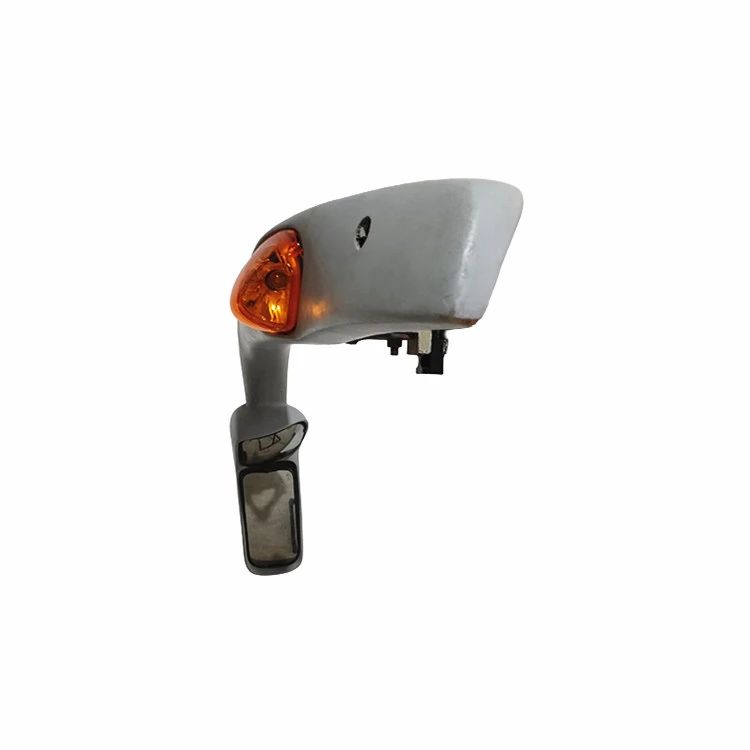
Understanding Functional Rearview Mirrors
Functional rearview mirrors are not just simple reflective surfaces; they are equipped with advanced technologies to enhance driving safety and convenience. These features can include auto – dimming, built – in cameras for rear – view assistance, blind – spot monitoring, and even integrated sensors for detecting approaching vehicles.
Auto – dimming rearview mirrors, for instance, use electrochromic technology. When bright light from behind the vehicle hits the mirror, sensors detect the light intensity. The mirror then changes its tint to reduce glare, providing a clearer view of the road behind. This technology relies on a small amount of electrical power to operate the sensors and control the tinting process.
Rear – view cameras integrated into the rearview mirror are another popular feature. They provide a wider and more detailed view of the area behind the vehicle, which is especially useful when reversing. The camera needs power to capture and transmit the video feed to the mirror’s display.
Blind – spot monitoring systems use sensors to detect vehicles in the driver’s blind spots. When a vehicle is detected, the mirror may display a warning light or provide an audible alert. These sensors and the associated warning mechanisms also require electrical power.
Power Requirements of Functional Rearview Mirrors
The power consumption of functional rearview mirrors varies depending on the specific features they offer. Auto – dimming mirrors typically consume a very small amount of power, usually in the range of a few milliwatts. This is because the electrochromic process is relatively energy – efficient, and the sensors only need a minimal amount of electricity to function.
Rear – view cameras, on the other hand, consume more power. The camera itself needs power to operate its image sensor, and the display on the rearview mirror also requires energy to show the video feed. The power consumption of a rear – view camera system can range from a few watts to tens of watts, depending on the resolution and complexity of the camera.
Blind – spot monitoring systems also have their own power requirements. The sensors need to be continuously powered to detect nearby vehicles, and the warning indicators also consume a certain amount of energy. Overall, a functional rearview mirror with multiple features can consume anywhere from a few milliwatts to several watts of power.
Impact of a Low Car Battery
When the car battery is low, the electrical system of the vehicle may not be able to provide the necessary power to all components. In the case of functional rearview mirrors, the performance can be affected in several ways.
For auto – dimming mirrors, a low battery may cause the dimming function to work intermittently or not at all. The sensors that detect the bright light may not receive enough power to operate accurately, and the electrochromic process may not function properly. As a result, the mirror may fail to dim when needed, leading to glare and reduced visibility for the driver.
Rear – view cameras are also likely to be affected by a low battery. The camera may produce a poor – quality video feed, or it may not work at all. The display on the mirror may flicker or show a distorted image due to insufficient power. In some cases, the camera may shut down completely to conserve energy.
Blind – spot monitoring systems can also malfunction when the battery is low. The sensors may not be able to detect nearby vehicles accurately, or the warning indicators may not work as expected. This can compromise the safety feature of the rearview mirror and put the driver at risk.
However, it’s important to note that modern vehicles are designed with a certain level of redundancy in the electrical system. Many functional rearview mirrors are connected to the vehicle’s electrical system in such a way that they can still receive a minimal amount of power even when the battery is low. Some systems may also have built – in power management features that prioritize essential functions and reduce power consumption of non – critical components.
Testing and Measurement
As a supplier of functional rearview mirrors, we conduct extensive testing to ensure the performance of our products under various conditions, including low battery situations. We use specialized equipment to simulate different battery voltages and monitor the operation of the mirrors.
During these tests, we measure the power consumption of the mirror at different battery voltages and observe how the features respond. We also check for any signs of malfunction, such as inconsistent dimming, poor video quality, or unreliable warning indicators.
Our testing results show that while some features may be affected by a low battery, the overall functionality of the rearview mirror can often be maintained to a certain extent. For example, the auto – dimming function may still work at a reduced efficiency, and the rear – view camera may show a lower – resolution video feed.
Mitigating the Effects of a Low Battery
If you’re experiencing issues with your functional rearview mirror due to a low battery, there are a few steps you can take to mitigate the effects. First, make sure that your car’s battery is in good condition. Regularly check the battery’s voltage and charge level, and replace it if necessary.
You can also reduce the power consumption of your rearview mirror by disabling some of the non – essential features. For example, if you don’t need the blind – spot monitoring system all the time, you can turn it off to save power.
In addition, consider using a battery charger or a power bank to supplement the power supply to your vehicle. This can help ensure that your rearview mirror and other electrical components have enough power to operate properly.
Conclusion
In conclusion, a functional rearview mirror can be affected by a low car battery, but the extent of the impact depends on various factors, such as the specific features of the mirror and the design of the vehicle’s electrical system. While some features may malfunction or work at a reduced efficiency, modern rearview mirrors are often designed to maintain a certain level of functionality even when the battery is low.
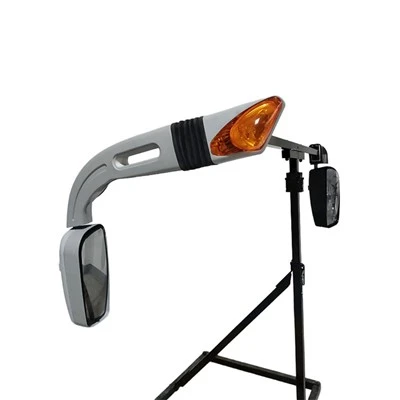
As a supplier of high – quality functional rearview mirrors, we are committed to providing products that are reliable and energy – efficient. Our mirrors are designed to withstand different operating conditions, including low battery situations, to ensure the safety and convenience of drivers.
Car Rearview Mirror If you’re interested in purchasing functional rearview mirrors for your vehicles or for your business, I encourage you to reach out to our sales team. We offer a wide range of products with different features and specifications to meet your specific needs. Let’s start a conversation about how our functional rearview mirrors can enhance your driving experience.
References
- SAE International Handbook on Automotive Electronics.
- Proceedings of the IEEE International Conference on Intelligent Transportation Systems.
- Research papers on automotive electrical systems and component reliability.
Shanghai Xinmao Automotive Technology Co., Ltd.
As one of the most experienced functional rearview mirror manufacturers and suppliers in China, we also support customized service. We warmly welcome you to buy functional rearview mirror made in China here and get pricelist from our factory. For price consultation, contact us.
Address: No.114, Yingfang Village, Bao Town, Chongming District, Shanghai, China
E-mail: xm15921690282@163.com
WebSite: https://www.xinmaoauto.com/
