Can a cabinet air conditioner be used in a room with a lot of plants?
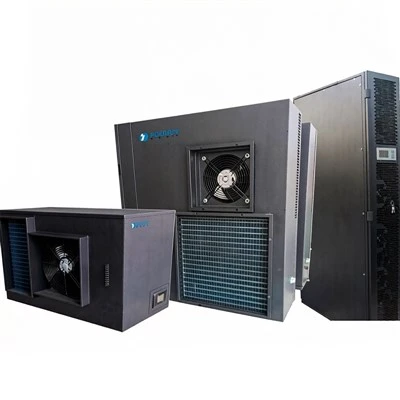
As a supplier of cabinet air conditioners, I often encounter various questions from customers. One of the most interesting inquiries I’ve received recently is whether a cabinet air conditioner can be used in a room filled with a large number of plants. This question is not only relevant for home and office environments but also for places like botanical gardens and large – scale plant nurseries. In this blog, I will explore the feasibility, benefits, and potential drawbacks of using a cabinet air conditioner in such a setting. Cabinet Air Conditioner
The Feasibility of Using a Cabinet Air Conditioner in a Plant – Filled Room
First and foremost, it is absolutely feasible to use a cabinet air conditioner in a room with many plants. Cabinet air conditioners are designed to regulate the temperature and humidity of a large – scale indoor space effectively. They can provide a consistent and stable climate, which is crucial for the healthy growth of most plants.
Plants have different temperature and humidity requirements depending on their species. Tropical plants, for example, thrive in warm and humid conditions, while desert plants prefer a drier and hotter environment. A high – quality cabinet air conditioner gives you the ability to set the temperature and humidity levels according to the specific needs of your plants. By maintaining the optimal climate, you can ensure that your plants grow vigorously and remain in good health.
Benefits of Using a Cabinet Air Conditioner in a Plant – Rich Environment
- Temperature Control
- Many plants are sensitive to sudden temperature changes. A cabinet air conditioner can maintain a constant temperature, protecting the plants from the stress caused by extreme heat or cold. During the summer, when outdoor temperatures soar, the air conditioner can cool the room to a comfortable level for the plants. In winter, it can provide gentle warmth to prevent frost damage.
- For instance, orchids are very temperature – sensitive. They require a relatively stable temperature range of 60 – 80°F (15 – 27°C). A cabinet air conditioner can easily maintain this temperature range, allowing orchids to bloom beautifully.
- Humidity Regulation
- In addition to temperature, humidity is another critical factor for plant growth. Some plants, such as ferns and mosses, need high humidity levels. A cabinet air conditioner with a built – in humidifier or dehumidifier function can adjust the moisture content in the air.
- When the air is too dry, the plant may lose water through transpiration faster than it can absorb, leading to wilting and stunted growth. On the other hand, excessive humidity can promote the growth of fungi and bacteria, which can harm the plants. A well – functioning cabinet air conditioner can strike the right balance.
- Air Circulation
- Cabinet air conditioners are equipped with powerful fans that can improve air circulation in the room. Good air movement helps the plants to exchange gases more efficiently. It allows carbon dioxide, which is essential for photosynthesis, to reach the leaves of the plants, and it helps to remove excess moisture from around the plants.
- Additionally, proper air circulation can prevent the accumulation of stagnant air, which can be a breeding ground for pests and diseases. This is especially important in a room with a large number of plants, where the micro – climate can be easily disrupted.
Potential Drawbacks and How to Mitigate Them
- Air Drying
- One of the potential drawbacks of using an air conditioner is that it may dry out the air. As the air conditioner cools the air, it also removes moisture from it. This can be a problem for plants that require high humidity.
- To mitigate this issue, you can use a humidifier in conjunction with the air conditioner. There are also some cabinet air conditioners on the market that have a built – in humidifying function. Another option is to place trays of water near the plants. As the water evaporates, it will increase the humidity in the immediate vicinity of the plants.
- Cold Drafts
- Strong cold drafts from the air conditioner can damage the plants, especially the more delicate ones. Cold air can cause the leaves to turn yellow or brown and may even lead to the death of the plant.
- To avoid this problem, you should adjust the direction of the air vents on the cabinet air conditioner. Make sure the cold air is not directly blowing onto the plants. You can also use barriers, such as screens or curtains, to deflect the air and create a more gentle airflow around the plants.
- Energy Consumption
- Running a cabinet air conditioner continuously to maintain the ideal climate for plants can result in high energy consumption. This can lead to increased electricity bills.
- To reduce energy consumption, you can set the air conditioner to a more energy – efficient mode. Many modern cabinet air conditioners come with features like programmable thermostats and energy – saving modes. You can also optimize the insulation of the room to prevent heat loss or gain, which will reduce the workload on the air conditioner.
Conclusion
In conclusion, a cabinet air conditioner can be a great addition to a room filled with a large number of plants. It offers precise temperature and humidity control, improves air circulation, and creates a stable growing environment. Although there are some potential drawbacks, such as air drying, cold drafts, and high energy consumption, these can be easily mitigated with proper management and the use of additional equipment.

If you are considering setting up a plant – friendly environment and need a reliable cabinet air conditioner, we are here to help. Our company offers a wide range of high – quality cabinet air conditioners that are designed to meet the diverse needs of different customers. Whether you have a small home greenhouse or a large commercial plant nursery, we have the right solution for you.
Server Room Air Conditioner If you are interested in learning more about our products or would like to discuss a potential purchase, please feel free to reach out. We look forward to the opportunity to assist you in creating the perfect climate for your plants.
References
- Smith, J. (2018). The Science of Plant Growth: Temperature and Humidity. Plant Science Journal, 25(3), 123 – 135.
- Brown, A. (2019). Air Conditioning for Indoor Plant Environments. HVAC Technology Review, 32(1), 45 – 52.
- Green, C. (2020). Mitigating the Effects of Air Conditioning on Plants. Horticulture Today, 40(2), 78 – 85.
Shanghai Soouney Refrigeration Equipment Co., Ltd.
As one of the most professional cabinet air conditioner manufacturers and suppliers in China, we offer a wide range of products with superior quality. Please feel free to wholesale customized cabinet air conditioner from our factory. Also, quotation is available.
Address: 1st Floor, Office Building, No. 15 Tongxin East Road, Wanping, Wujiang District, Suzhou City, Jiangsu Province (Shuni Company)
E-mail: shkt@souney.com.cn
WebSite: https://www.soouneyrefrigeration.com/
